Context-specific training materials
Develop learning materials suited to staff responsibilities and SCA’s policies, strategic priorities and operating context in Afghanistan.
Search the website
Type at least 2 characters to see results.
Searching…
No results found. Try another keyword.
Institutional environmental capacity development for the Swedish Committee for Afghanistan across six locations, combining training materials, pre- and post-training assessments, facilitation, reporting and recommendations for future staff learning.
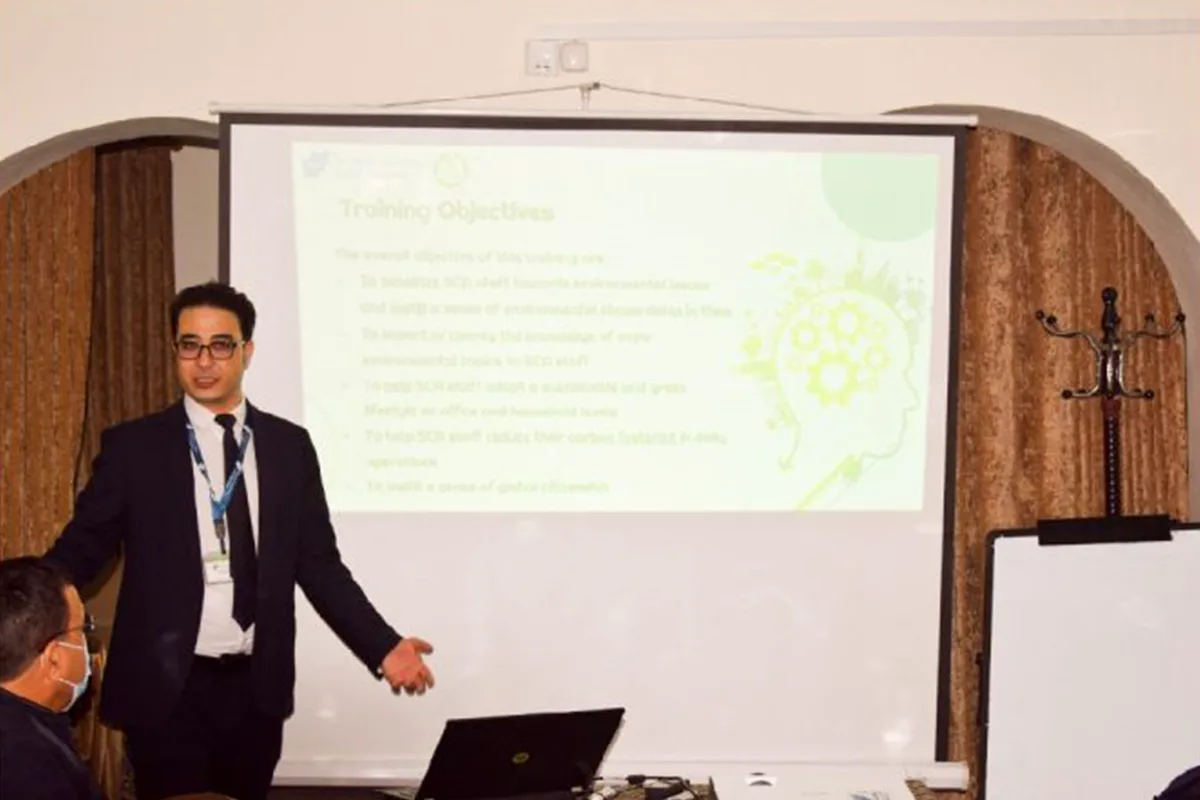
Daira Sabz supported the Swedish Committee for Afghanistan with an environmental-awareness and institutional capacity-development programme across Kabul, Jalalabad, Ghazni, Wardak, Takhar and Mazar. The programme targeted approximately 600 staff. The assignment covered material development, pre- and post-training knowledge assessments, participatory facilitation, reporting and recommendations for future capacity-building programmes.
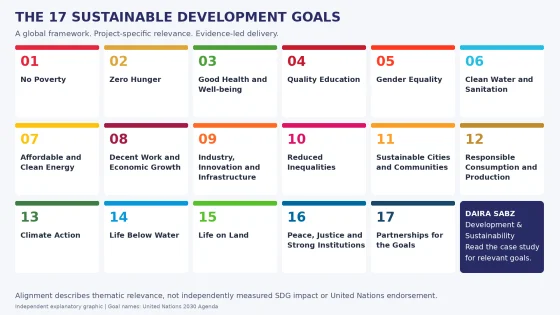
The learning package was contextualised to SCA’s policy and strategic priorities in Afghanistan, with recommendations to inform future office practices and institutional capacity development. Its relevance to green skills lies in applying environmental knowledge to daily work, resource efficiency and responsible workplace decisions. These transferable capabilities provide a foundation for greener offices and further skills development relevant to the transition towards green jobs. Relevant Sustainable Development Goals — SDGs 4, 12, 13. Environmental training for SCA connected learning materials, facilitation, pre/post assessment and reporting with institutional capacity and greener office practices. This is thematic alignment with the documented assignment, not independently measured SDG outcomes.
The assignment connected environmental awareness with staff responsibilities and organisational learning, from preparation and assessment to facilitated sessions and follow-up recommendations.
Develop learning materials suited to staff responsibilities and SCA’s policies, strategic priorities and operating context in Afghanistan.
Facilitate participatory sessions and use pre- and post-training assessments to examine knowledge and identify continuing learning needs.
Document training delivery and assessment findings, and recommend priorities for future staff development, institutional learning and greener office practices.
Training was structured around SCA’s operating context and staff needs, with learning assessment and recommendations to inform future programmes.
Translate organisational priorities and staff learning needs into relevant environmental content, materials and assessment tools.
Use pre-training assessment, interactive facilitation and post-training assessment to connect new knowledge with staff responsibilities.
Bring together delivery experience and pre/post assessment findings in reporting, with recommendations aligned to organisational priorities and future capacity-building programmes.
Environmental knowledge has greater value when staff can apply it in everyday decisions. Linking training with organisational priorities, learning assessment and follow-up recommendations helps institutions plan continued staff development and more resource-conscious office practices.
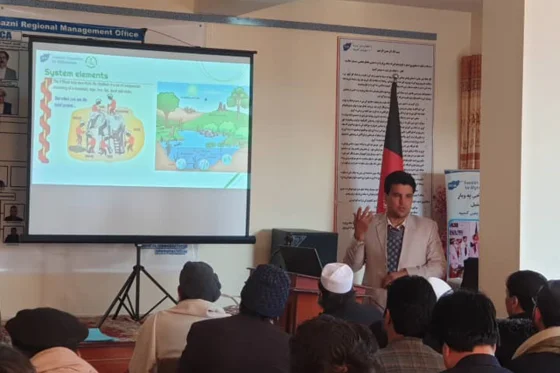
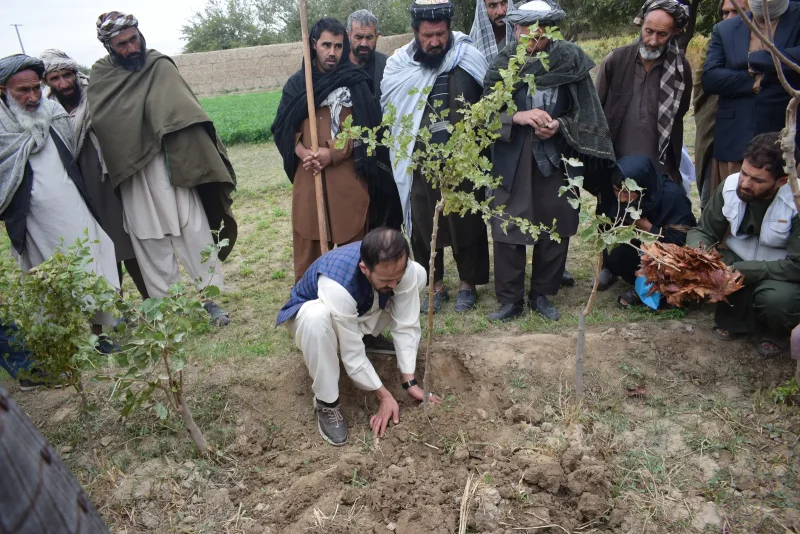
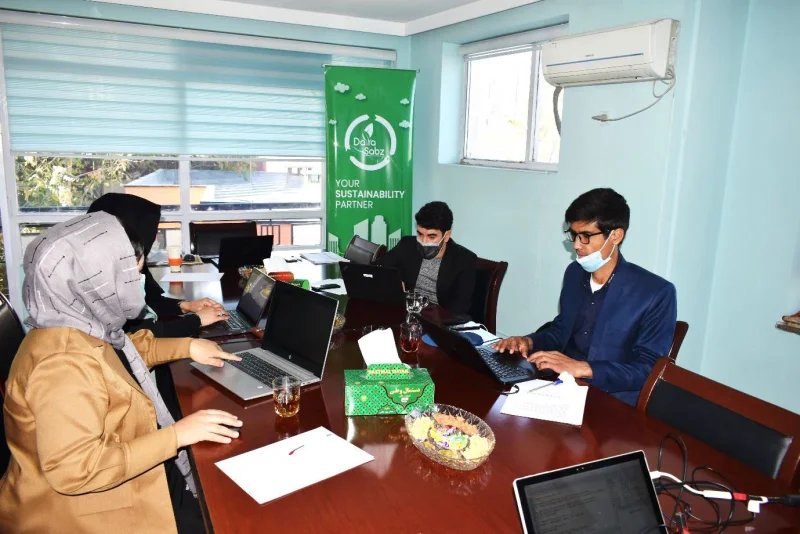
Project photographs from staff training sessions and participatory learning activities.

 Climate & Agriculture
Climate-smart agriculture training for Norwegian Church Aid under PEARL–ABADEI 2.0: 105 training-of-trainers participants and 355 farmers across 16 districts, supported by manuals developed in English and translated into Dari and Pashto.
Kandahar, Zabul, Balkh, Helmand and Samangan — northern and southern Afghanistan
 Climate & Agriculture
Practical R and RStudio training for Caritas Germany’s Afghanistan office in Kabul, building skills in data preparation, analysis, visualisation and research interpretation, with relevance to data-driven monitoring and evaluation.
Kabul, Afghanistan
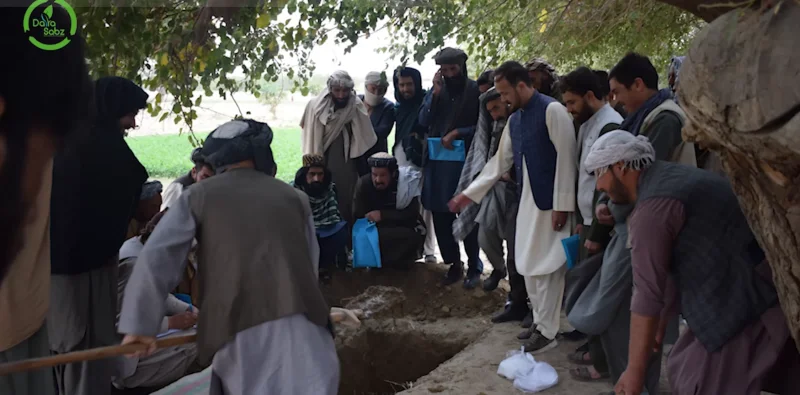 Climate & Agriculture
Climate-smart agriculture capacity development for NCA’s REACH programme across four eastern provinces and eight districts, including greenhouse and value-chain guidance and beneficiary selection criteria.
Kunar, Laghman, Nuristan and Nangarhar, Afghanistan
Planning a staff-learning programme, green-office initiative or institutional capacity-building assignment? Talk to Daira Sabz about your audience, policy priorities and learning objectives—from tailored materials and facilitation to assessments and actionable reporting.