Building knowledge that translates into lasting capability
Tailored training, institutional learning and practical skills development—from learning materials and facilitation to pre/post assessments, reporting and recommendations for continued capacity building.
Practical learning for stronger institutions and more resilient communities
Daira Sabz helps organisations turn knowledge into practical capability. Our selected experience covers environmental awareness, climate-smart agriculture, disaster risk reduction, data analysis and training of trainers. Depending on the assignment, we support needs analysis, tailored materials, participatory facilitation, pre/post learning assessments, reporting and recommendations for future programmes. Green skills, resource-conscious office practices and institutional resilience are integrated where relevant to client objectives. Explore each project’s scope, our role and documented outputs below.
Completed projects
Capacity development in practice
Tailored training, institutional learning and practical skills development—from learning materials and facilitation to pre/post assessments, reporting and recommendations for continued capacity building.
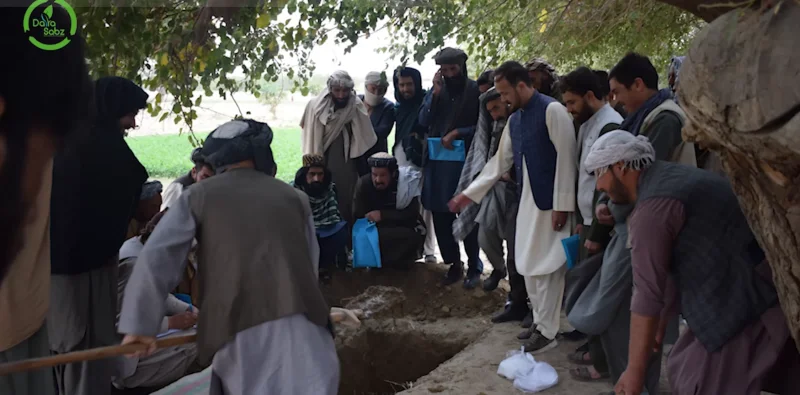
Climate-smart agriculture training for Norwegian Church Aid under PEARL–ABADEI 2.0: 105 training-of-trainers participants and 355 farmers across 16 districts, supported by manuals developed in English and translated into Dari and Pashto.
Kandahar, Zabul, Balkh, Helmand and Samangan — northern and southern Afghanistan
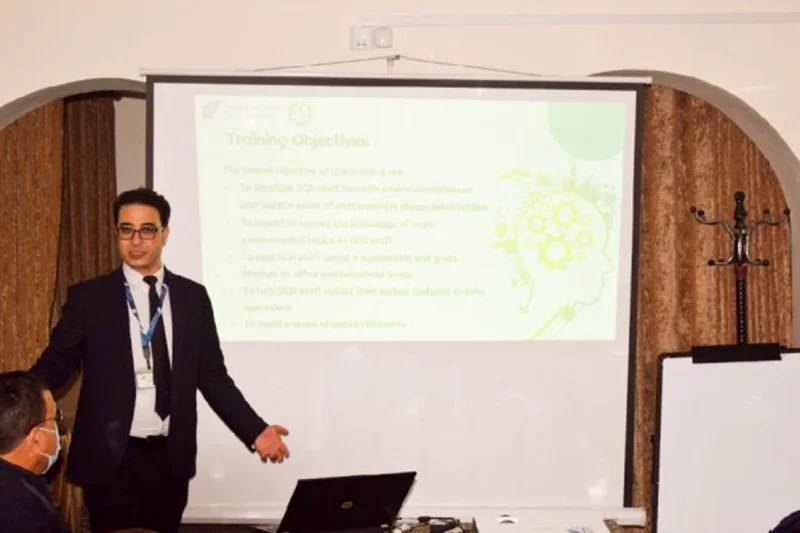
Institutional environmental capacity development for the Swedish Committee for Afghanistan across six locations, combining training materials, pre- and post-training assessments, facilitation, reporting and recommendations for future staff learning.
Kabul, Jalalabad, Ghazni, Wardak, Takhar and Mazar, Afghanistan
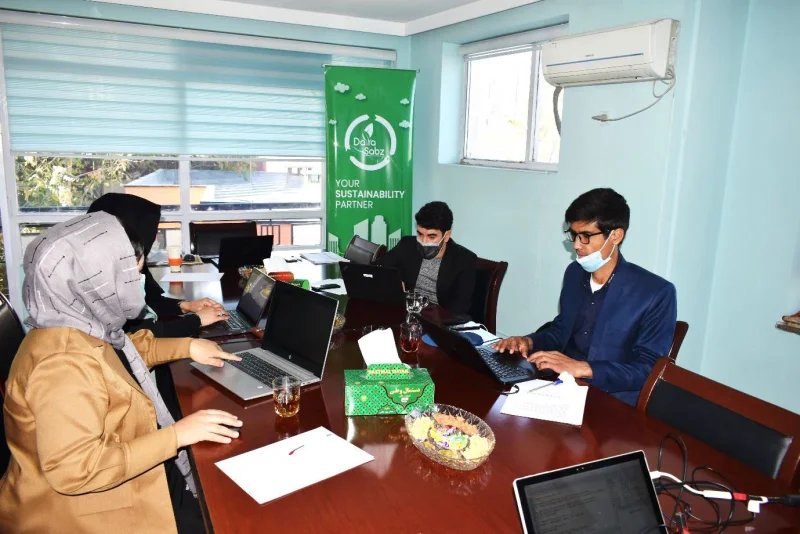
Practical R and RStudio training for Caritas Germany’s Afghanistan office in Kabul, building skills in data preparation, analysis, visualisation and research interpretation, with relevance to data-driven monitoring and evaluation.
Climate-smart agriculture capacity development for NCA’s REACH programme across four eastern provinces and eight districts, including greenhouse and value-chain guidance and beneficiary selection criteria.
Kunar, Laghman, Nuristan and Nangarhar, Afghanistan
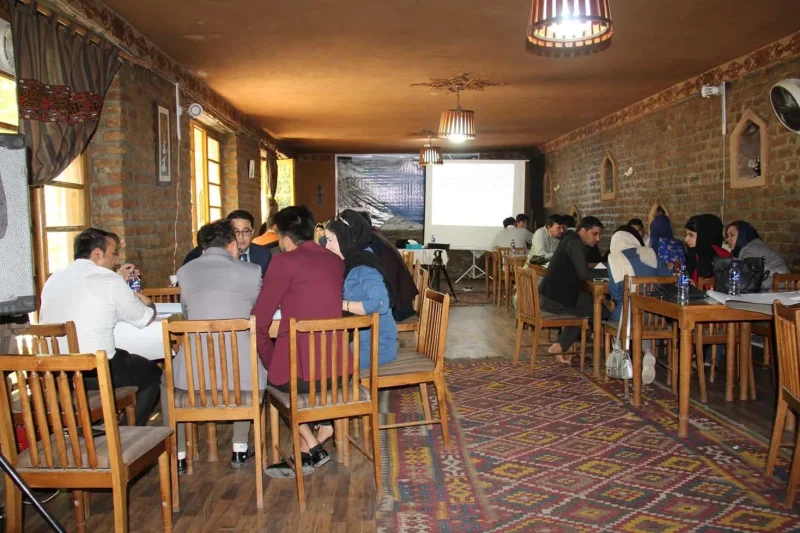
Training of trainers for Mediotek Afghanistan and the Eco Journalists Network in Kabul, 17–21 May 2021, with support from TLO and the Heinrich Böll Foundation.
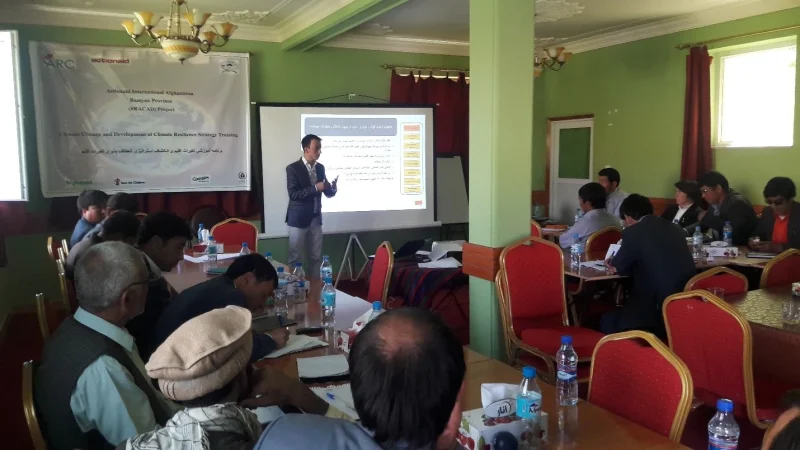
Climate resilience and disaster risk reduction training for ActionAid Afghanistan’s SRACAD programme, facilitated by Ali Baba Behruz for 81 participants in Bamyan Centre, Yakawlang and Panjab.
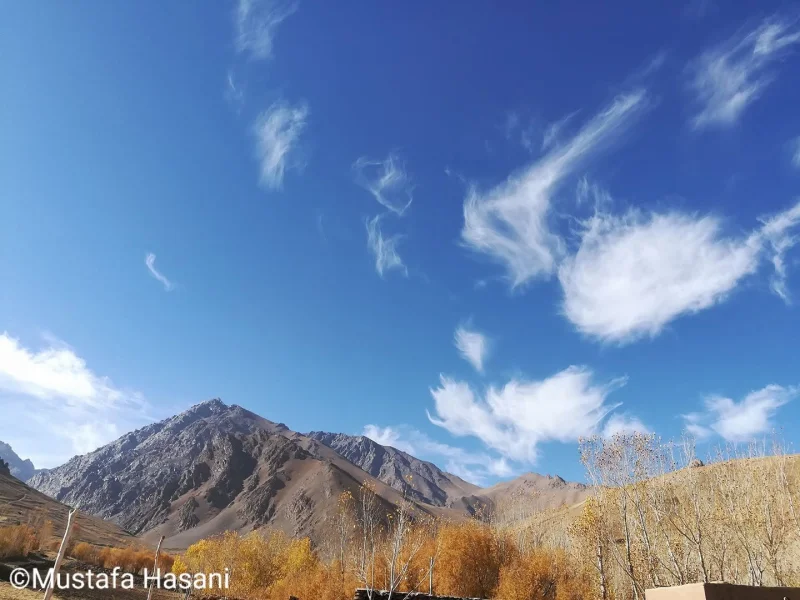
A four-day SPEAK climate-capacity programme in Bamyan, facilitated by Mustafa Hasani in November 2017 for 20 participants, linking climate science, policy and practical adaptation with participatory learning and field exchange.
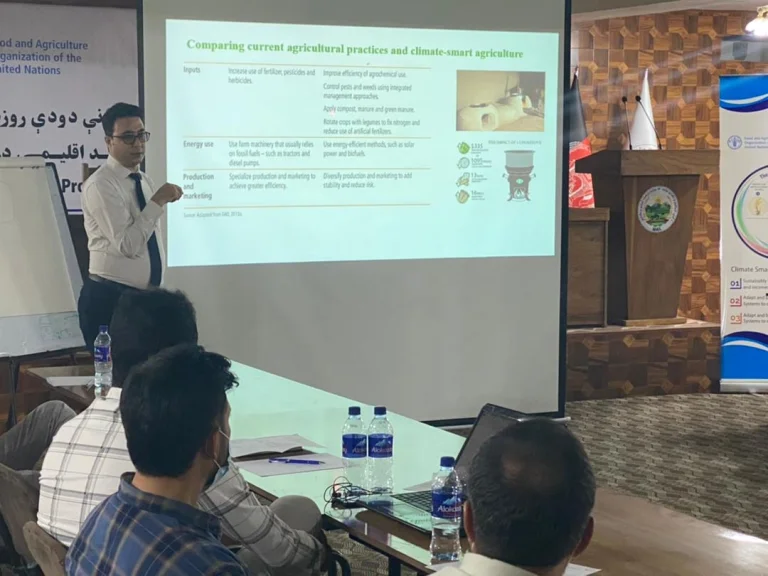
Training of trainers for AFSeN and its stakeholders, delivered for FAO Afghanistan in Kabul on 7–8 and 11–12 July 2021, covering climate risks, resilient agriculture and gender-responsive planning.
FAO Hall, MAIL, Kabul, Afghanistan
How we deliver
More than one-off training
Our capacity-development assignments are structured around the needs of each audience and operating environment.
Needs-led programme design
Training objectives, audiences and learning outcomes are defined around the client’s institutional and technical priorities.
Participatory delivery
Workshops combine expert instruction with discussion, group work, practical exercises and field-based learning.
Measurable learning
Pre- and post-training assessments, participant feedback and final reporting help clients evaluate learning and improve future programmes.
Explore more of our work
Browse other project categories
Discover Daira Sabz assignments in environmental and social assessment, baseline research, monitoring, evaluation and applied studies.
Whether you need a technical workshop, training-of-trainers programme, institutional learning package or community-based awareness initiative, Daira Sabz can develop a programme aligned with your audience, objectives and operating context.
We use cookies to personalise content, to provide social media features and to analyse our traffic. We also share information about your use of our site with our social media and analytics partners who may combine it with other information that you’ve provided to them or that they’ve collected from your use of their services.
Necessary
Preferences
Statistics
Marketing
Necessary cookies help make a website usable by enabling basic functions like page navigation and access to secure areas of the website. The website cannot function properly without these cookies.
Preference cookies enable a website to remember information that changes the way the website behaves or looks, like your preferred language or the region that you are in.
Statistic cookies help us understand how visitors interact with the website by collecting and reporting information anonymously.
Marketing cookies are used to track visitors across websites. The intention is to display content and ads that are relevant and engaging for the individual user.
Cookies are small text files that can be used by websites to make a user’s experience more efficient.
The law states that we can store cookies on your device if they are strictly necessary for the operation of this site. For all other types of cookies we need your permission.
This site uses different types of cookies. Some cookies are placed by third-party services that appear on our pages.
You can at any time change or withdraw your consent by using the “Cookie settings” link in the footer of our website.
Learn more about who we are, how you can contact us and how we process personal data in our Privacy Policy.
Please state your consent ID and date when you contact us regarding your consent.




 Climate & Agriculture