Conservation and landscape review
Review of progress relating to wildlife protection, human–wildlife conflict, sustainable land use, climate risks and knowledge management.
Search the website
Type at least 2 characters to see results.
Searching…
No results found. Try another keyword.
Mustafa Hasani’s national-consultant contribution to the midterm review of the UNDP-supported, GEF-financed snow leopard conservation project implemented by WCS, alongside international consultant Andrew Laurie.
From December 2020 to May 2021, Mustafa Hasani served as national consultant alongside international consultant Andrew Laurie for the midterm review of Conservation of Snow Leopards and their Critical Ecosystems in Afghanistan (PIMS 5844). WCS implemented the conservation project with UNDP support and GEF financing. This reference represents leadership consultancy experience.
The conservation project addressed illegal wildlife trade, human–wildlife conflict, unsustainable land use, land degradation and climate pressures. The review examined progress and implementation through document analysis, interviews in Kabul and remote stakeholder engagement. No field visit to Wakhan was possible.
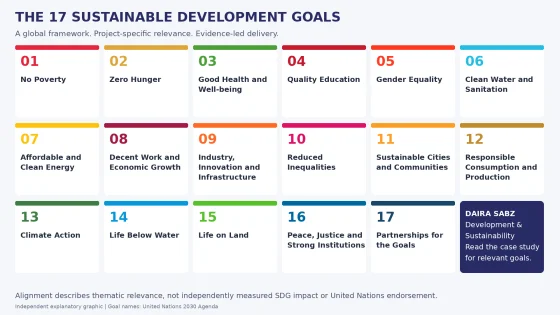
The review report is published in UNDP’s Evaluation Resource Centre: https://erc.undp.org/evaluation/documents/download/19181 Relevant Sustainable Development Goals — SDGs 13, 15. Mustafa Hasani contributed as national consultant to the UNDP/GEF snow leopard project review, examining conservation progress, threats and learning for WCS implementation. This is thematic alignment with the documented assignment, not independently measured SDG outcomes.
The review considered progress across three conservation priorities: wildlife protection and human–wildlife coexistence; sustainable land use and climate resilience; and knowledge management, outreach and monitoring. These describe the conservation project’s intended scope.
Review of progress relating to wildlife protection, human–wildlife conflict, sustainable land use, climate risks and knowledge management.
The review combined document analysis and stakeholder consultation to examine implementation progress and identify priorities for improvement.
Examine project documents, objectives and implementation evidence to frame the midterm review.
Bring together document findings, interviews in Kabul and remote engagement to identify implementation constraints and recommendations. No field visit to Wakhan was possible.
Independent review helps project partners understand progress, implementation constraints and priorities for improvement. The published report provides a reference for learning and accountability.
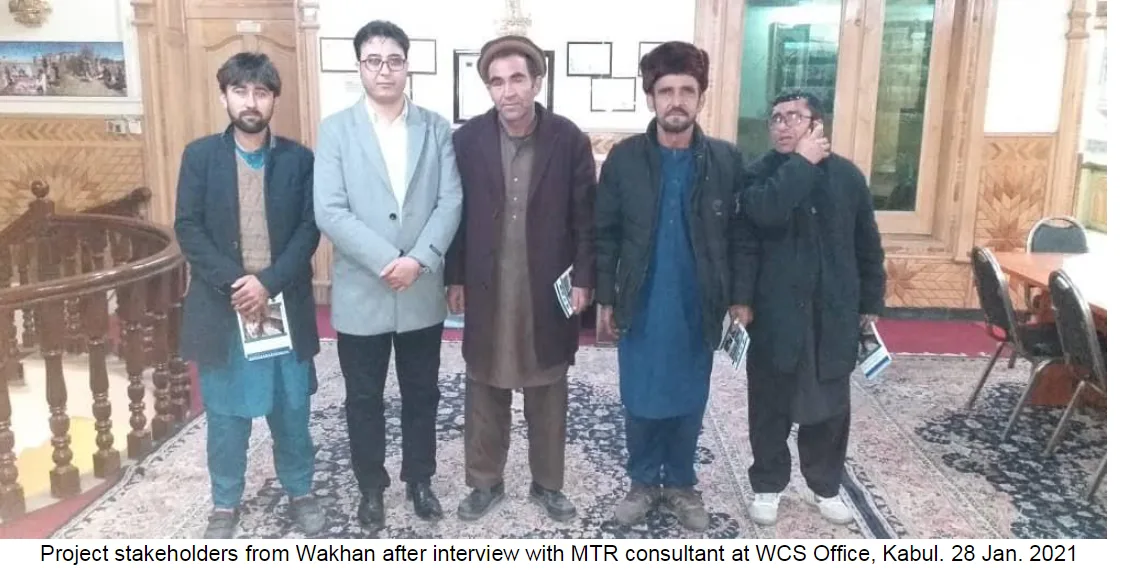
Stakeholders from Wakhan following an interview at the WCS office in Kabul, 28 January 2021. Snow leopard photograph: “Searching for the Snow Leopard – Guardian of the High Mountains” (2020), © Björn Persson. Original captions and credits are retained.
 Midterm Evaluation
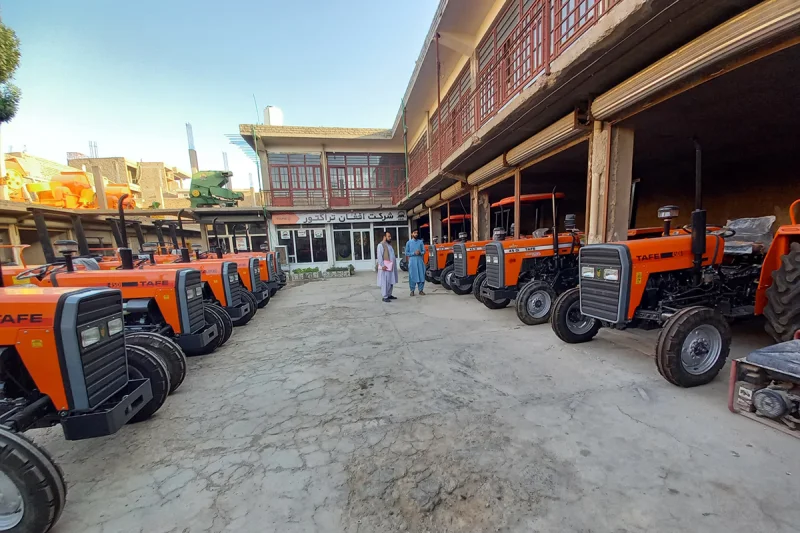
Market research for Millat Tractors Limited in Afghanistan, examining demand, pricing, distribution, customer preferences, after-sales services and import conditions to inform commercial planning.
Afghanistan
 Midterm Evaluation
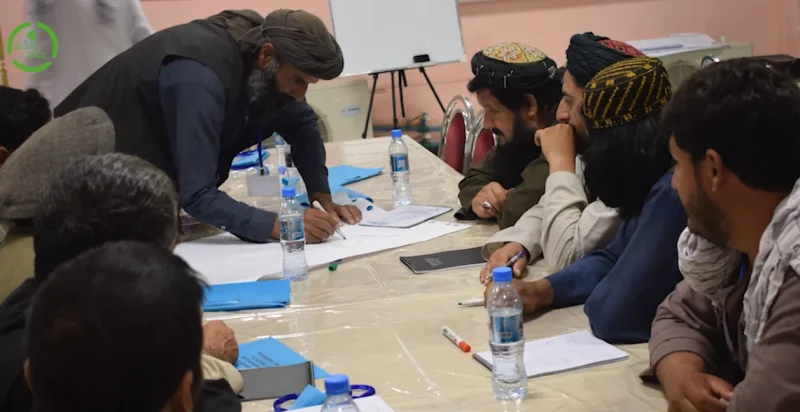
Enterprise and agribusiness value-chain assessment for Norwegian Church Aid across six Afghan provinces, complemented by training and on-the-job guidance on processing, packaging, branding, market linkages and sustainable resource use.
Helmand, Uruzgan, Kunar, Laghman, Nuristan and Nangarhar, Afghanistan
 Midterm Evaluation
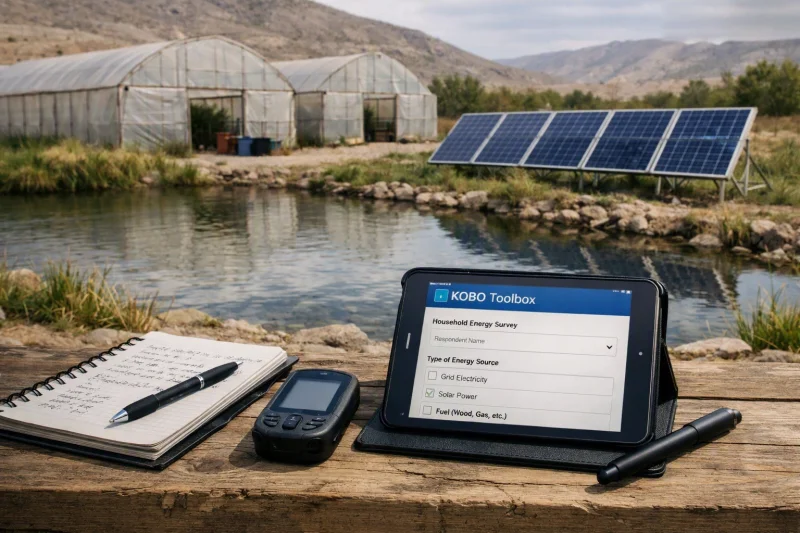
Energy-access research in Bamyan and Parwan combining 60 surveys and ten key-informant interviews to examine local needs, socio-economic conditions and the policy context.
Bamyan and Parwan, Afghanistan
Talk to Daira Sabz about your evaluation questions, stakeholder context and evidence needs. We can help define a review, research or learning assignment with clear methods and practical deliverables.